
Compared to 35mm cameras, medium format cameras deliver a shallower depth of field (DOF) at the same aspect ratio and aperture setting. Also, the lenses of folding cameras operate with more aperture blades (normally 10 blades) compared to modern 35mm lenses (normally 5-6 blades). Both factors in connection with the finer grain of the significantly larger medium format negative provide a much smoother transition from the sharp area into the out-of-focus area, in other words: a pleasing bokeh. This can add more depth to the photos and induces photographers to speak of the 3D effect or the plasticity of medium format pictures.
To avoid blurring due to camera shake and to achieve consistent sharpness in the depth of the room, medium format cameras are usually used with a tripod. At shorter distances to the subject, the background often remains slightly out of focus even when stopped down significantly, which can look unwanted and therefore incorrect – in contrast to clear blur. To avoid this impression and especially to use the blur as a creative tool, I like to take photos with the aperture open or only slightly stopped down. Then the blurriness looks intentional and is clearly noticeable even at a short viewing distance or with a small image format. A welcome side effect is the more flexible way of working without a tripod, for which the compact and lightweight folding cameras in particular were developed.
I like the rendering of the out-of-focus area of medium format cameras and began practicing to adjust the aperture wide open. The minimum distance of folder lenses is ca. 1 meter. Besides accurate focusing in the close-up range, correcting the parallax error of the viewfinder is a real challenge. The coupled rangefinder of the Super Ikontas is very helpful. The Super Ikonta III fitted with the Tessar lens is quite suitable, since this lens preserves sharpness at apertures wider than f/8 (at least in the center area). On sunny days low-speed films like Fuji Acros 100 or Ilford PanF help to keep the shutter speed within the typical speed range of leaf shutters (at most 1/300 or 1/500 sec). But realizing the wanted dosage of blurring (i.e., a nice bokeh) is a real challenge, since folder cameras enable no depth-of-field control via viewfinder.
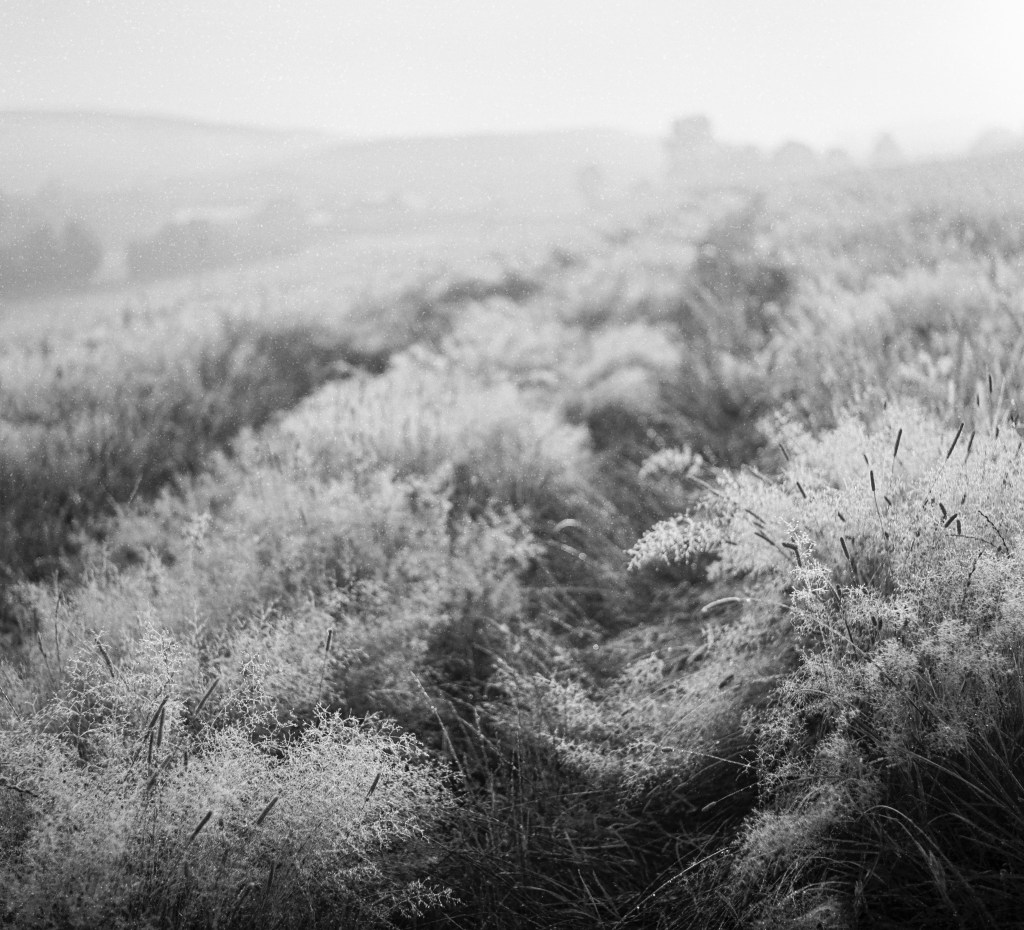
Foggy morning, dew on grass (Mamiya Six Automat I, Ilford PanF Plus 50, 1/100 sec and f/3.5)
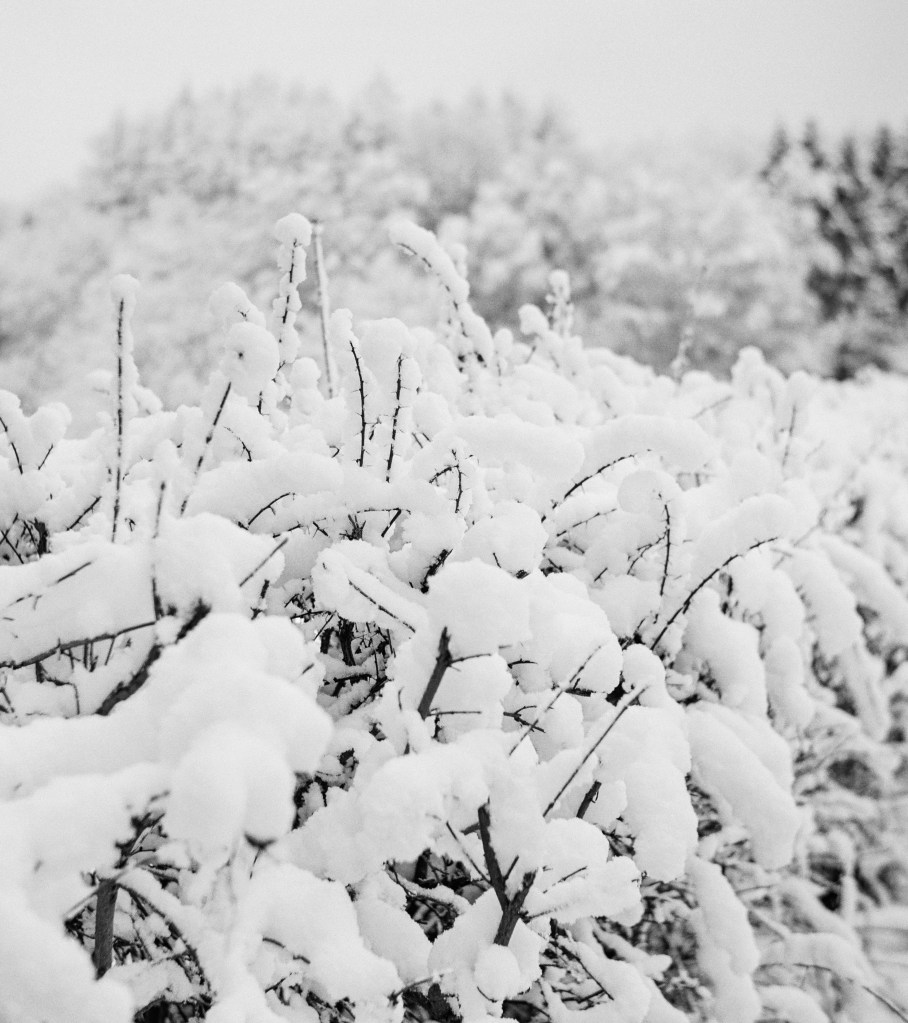
Snowy winter landscape (Zeiss Ikon Super Ikonta III (531/16) Novar, Ilford HP5 Plus 400, 1/150 sec and f/5.6)
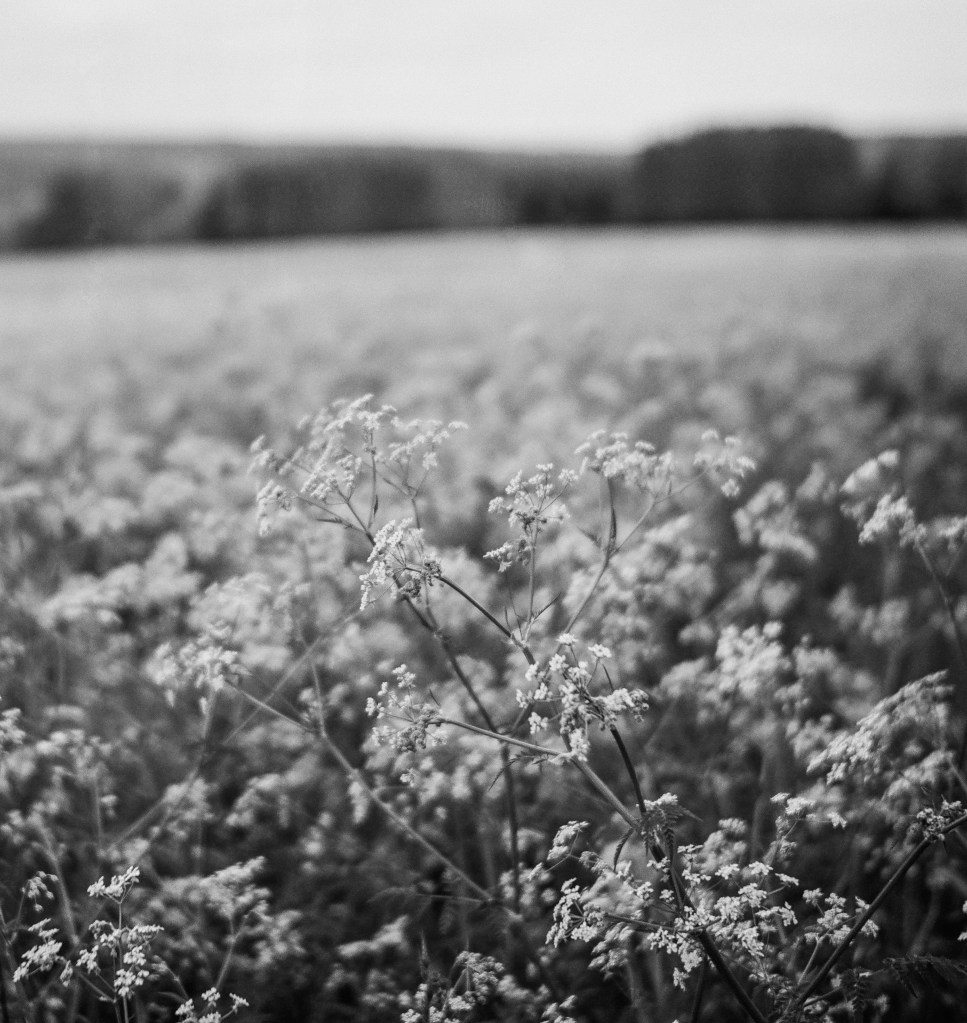
Meadow and yarrow (Zeiss Ikon Super Ikonta III (531/16) CZ Tessar, Y filter, Ilford HP5 Plus 400, 1/250 sec and f/4)
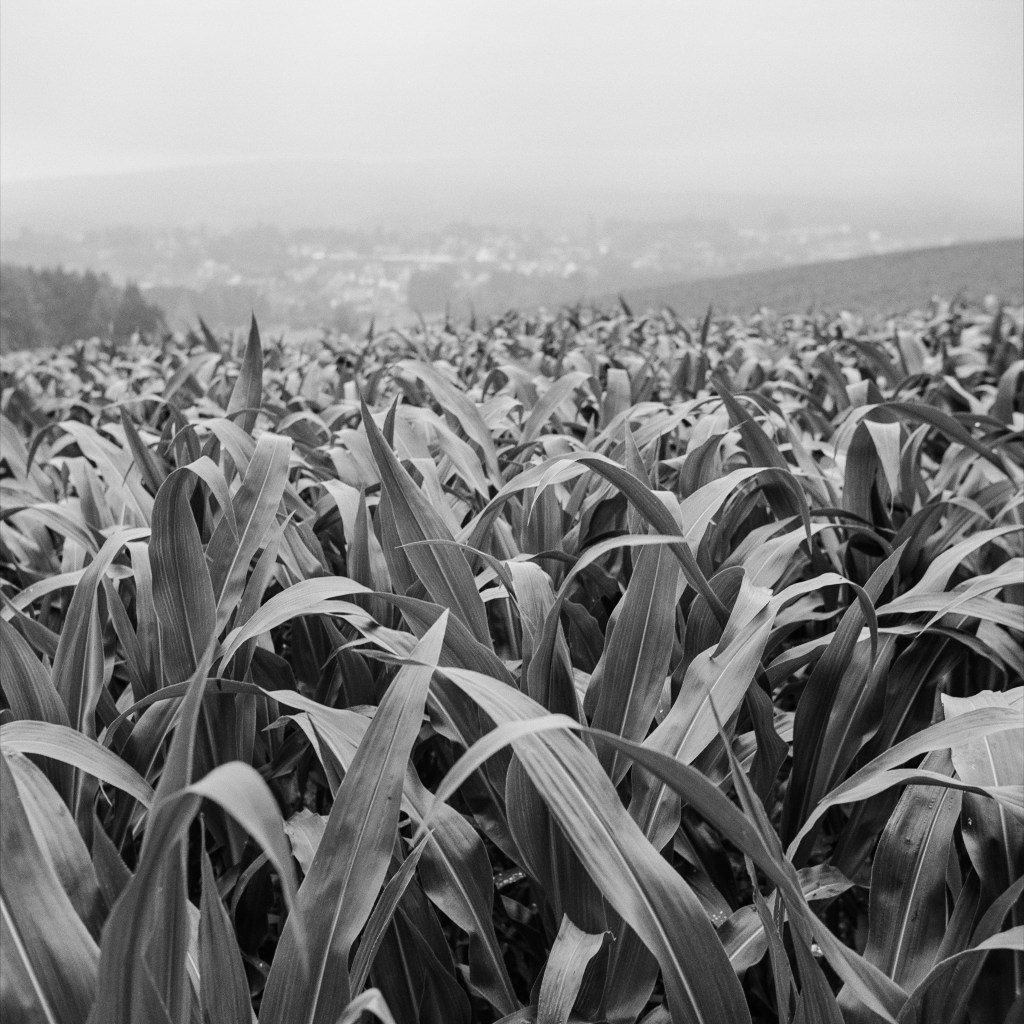
Foggy morning, cornfield and village ((Zeiss Ikon Super Ikonta III (531/16) Novar, Kodak Tri-X 400, 1/150 sec and f/5.6-8)
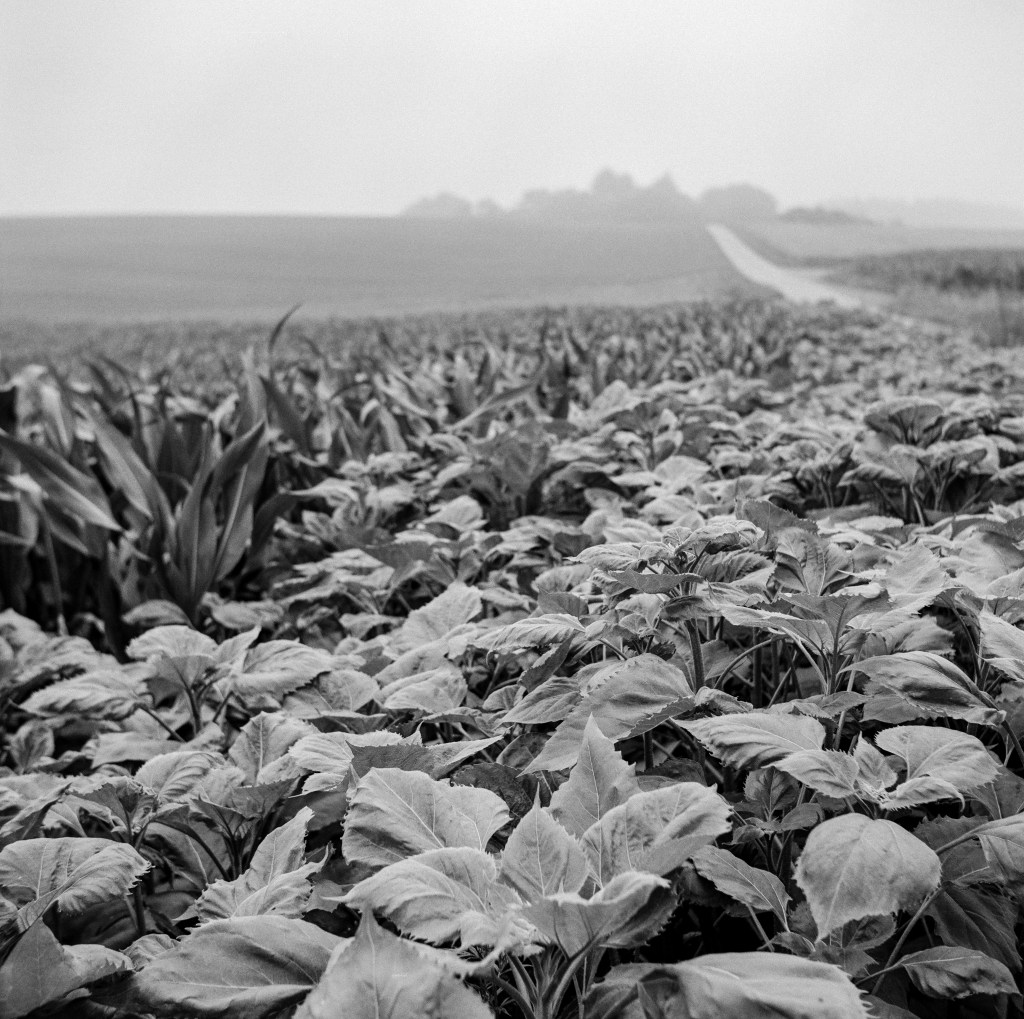
Foggy morning, sunflower leafes and cornfield (Zeiss Ikon Super Ikonta III (531/16) Novar, Ilford HP5 Plus 400, 1/250 sec and f/8)
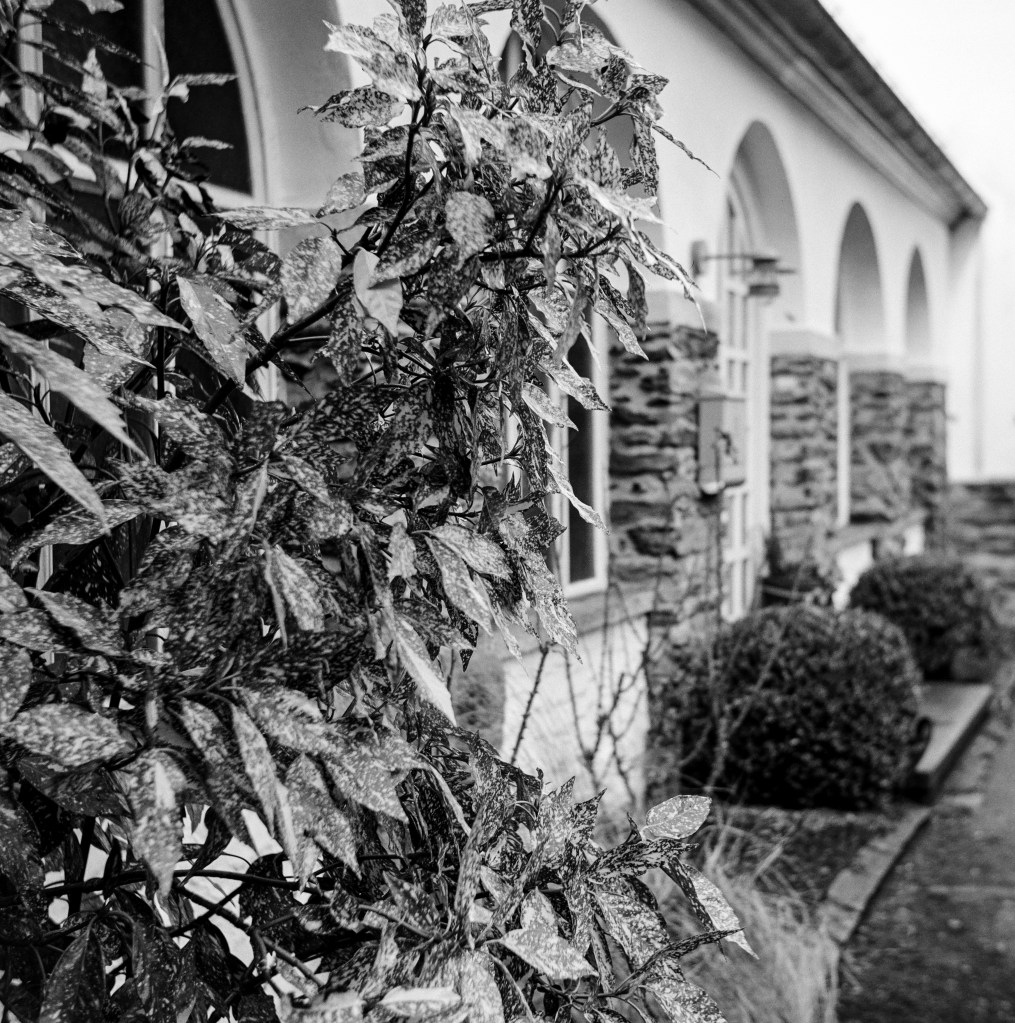
Side entrance, parish church St. Remigius, Reinsfeld (Zeiss Ikon Super Ikonta III (531/16) CZ Tessar, Fuji Neopan Acros II 100, 1/100 sec and f/5.6)
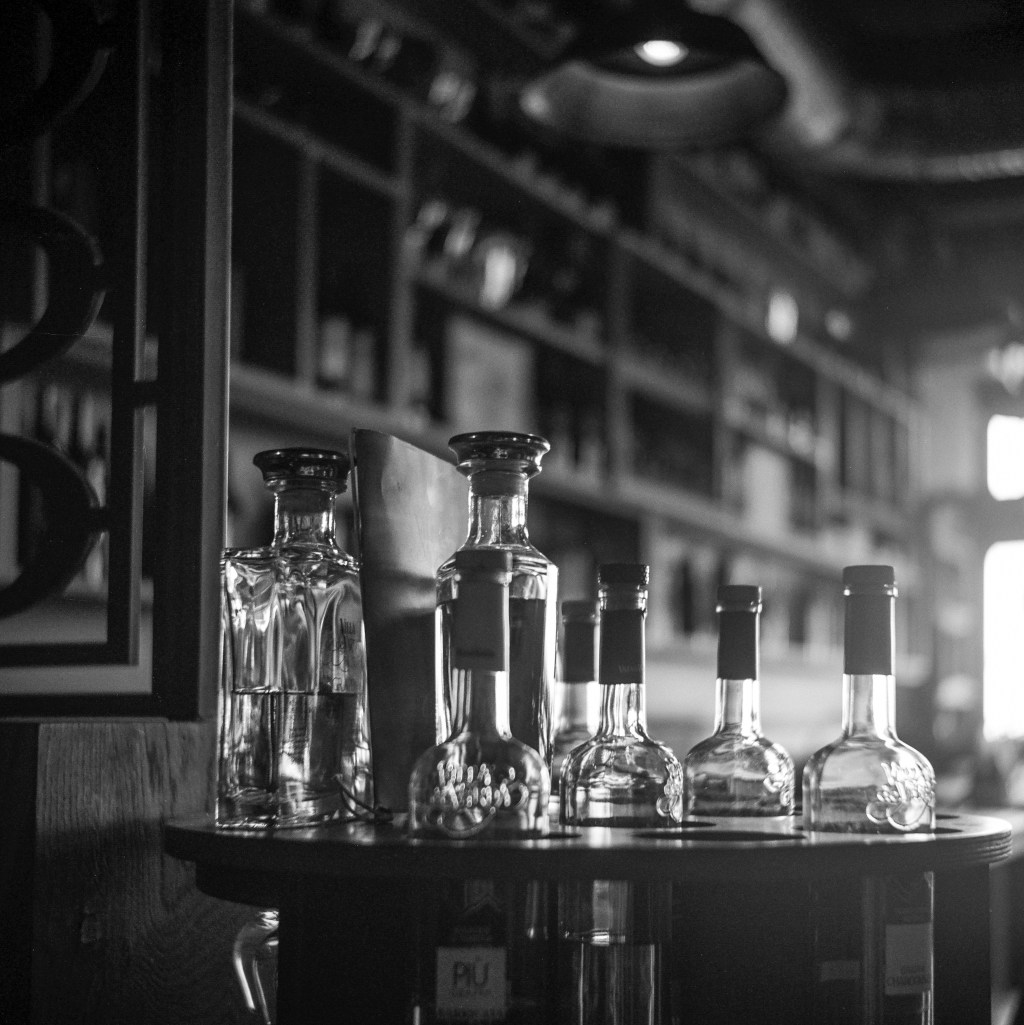
Interieur of Italian restaurant, Trier (Zeiss Ikon Super Ikonta III (531/16) Novar, Kodak TMax 400, 1/100 sec and f/3.5)
See also my flickr photo gallery: https://www.flickr.com/photos/165607631@N07/
 Old Glass