
The Mamiya Six (not to confuse with the Mamiya 6 of the 1990s) is a classic medium format 6 x 6 folding camera with coupled rangefinder. The Mamiya Six series began around 1940 and the latest model Mamiya Six Automat II was introduced 1958. At that time the market was rapidly moving away from folding cameras to 35mm SLR cameras. The Automat models cock the shutter during film advance, provided the camera is not folded. If the film is advanced in the folding position, the shutter has to be cocked manually.
An unusual feature of all Mamiya Six models is their focusing mechanism by moving the film plane (rather than the complete lens or the front element) via a focus thumbwheel on the camera back, which is quite accurate and convenient. Moving the focal plane requires a separate pressure plate to ensure film flatness. The coupling mechanism for coupling the shutter cocking with the film advance is hidden by a covering plate below the lens.
Basically, the film counting mechanism makes the red window on the camera back needless. But it allows to check whether the camera is loaded with film and to control the moving of the film.
For many years Mamiya used lenses from other optical companies, before they had their own lens-manufacturing capabilities. In the 1950s Mamiya generally used Olympus D.Zuiko lenses, with D being the Olympus code for their own four-element Tessar-type design. By the Automat II version, Mamiya had begun producing their own Tessar copy, simply labelled Mamiya-Sekor.
My camera is an early version of the Mamiya Six Automat I introduced 1955. This version is fitted with a small lever on the camera back at the left of the viewfinder. This lever allows to disengage the counting mechanism for winding the film before all 12 frames have been exposed.
The camera has been purchased from a seller in Japan via ebay and arrived with hardly any signs of use. However, the bellows soon broke apart and had to be replaced. The camera has been repaired and CLAd by the well-known folder expert Jurgen Kreckel (certo6.com/). Again, Jurgen did a great job: the camera is working like new. The contact with him is always very pleasing. He did the job rapidly and for a very fair price. The photographers using vintage folders (rather than collecting them) can be thankful for his excellent service!
What I like
After about one year of using this camera, I should emphasize some advantages: First, the optical performance of the lens is excellent and definitely comparable with Zeiss Tessar lenses. The sharpness across the whole frame is notable already at the aperture fully open. Second, the focusing wheel at the camera back is very convenient and focusing with the right thumb is pretty easy. Moreover, the bright and contrasty rangefinder patch enables exact focusing. Third, the shutter release mechanism feels smooth and soft. In combination with the comparatively heavy construction camera shake is effectively reduced.
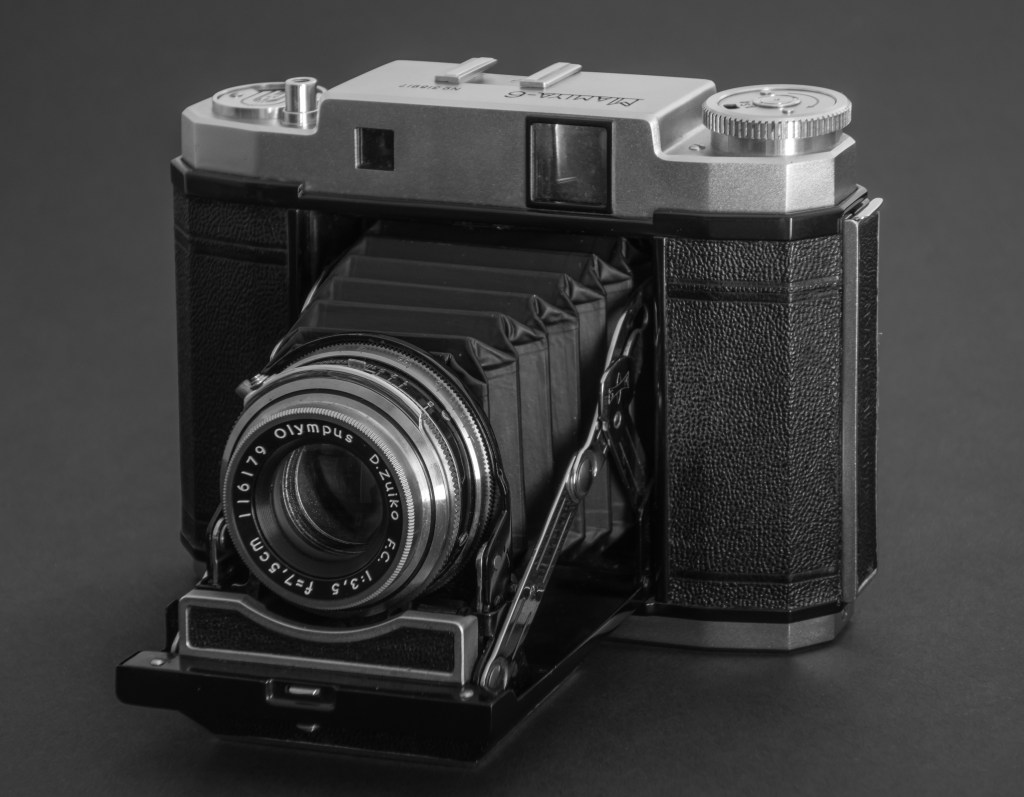
Mamiya Six Automat I with Olympus D’Zuiko f/3.5 7.5 cm and Seikosha shutter
Sample pictures
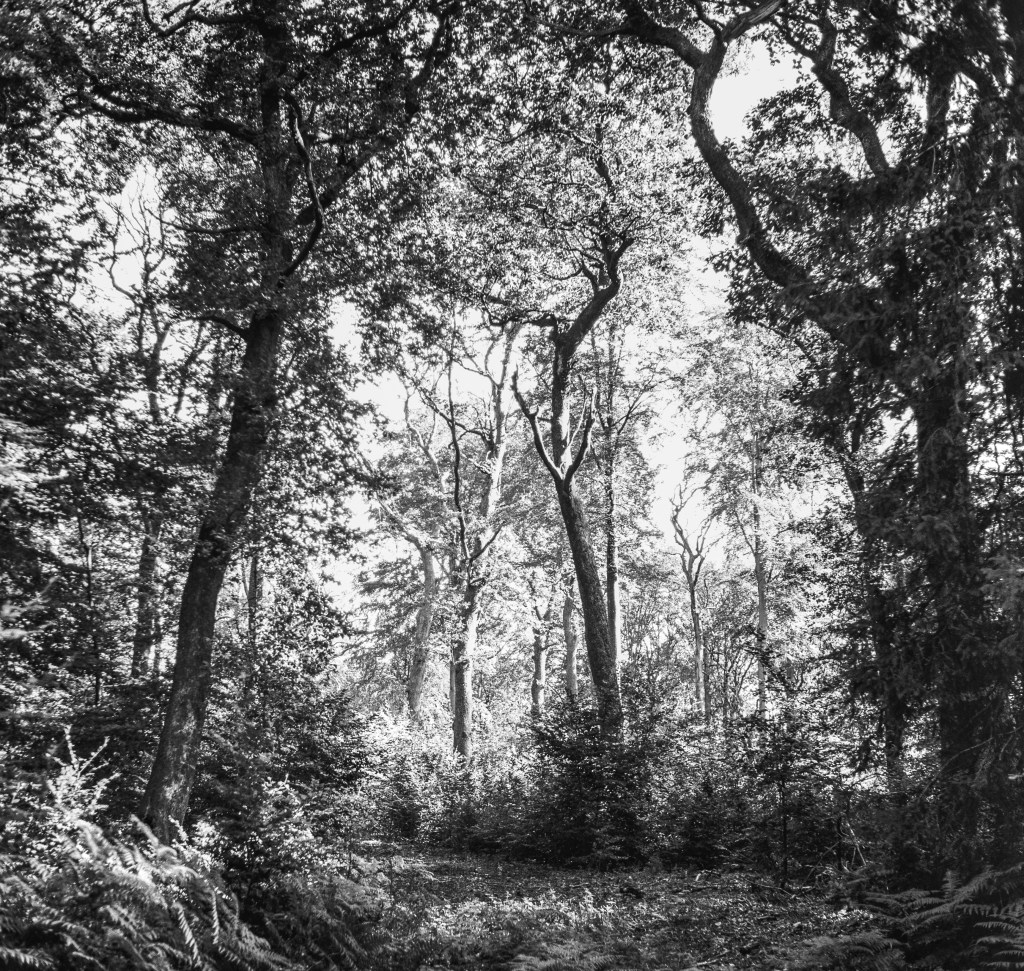
Oak trees (Mamiya Six Automat I, Ilford PanF 50, 1/100 sec and f/3.5)

Protected forest (Mamiya Six Automat I, Kodak Tri-X 400, 1/150 sec and f/3.5)
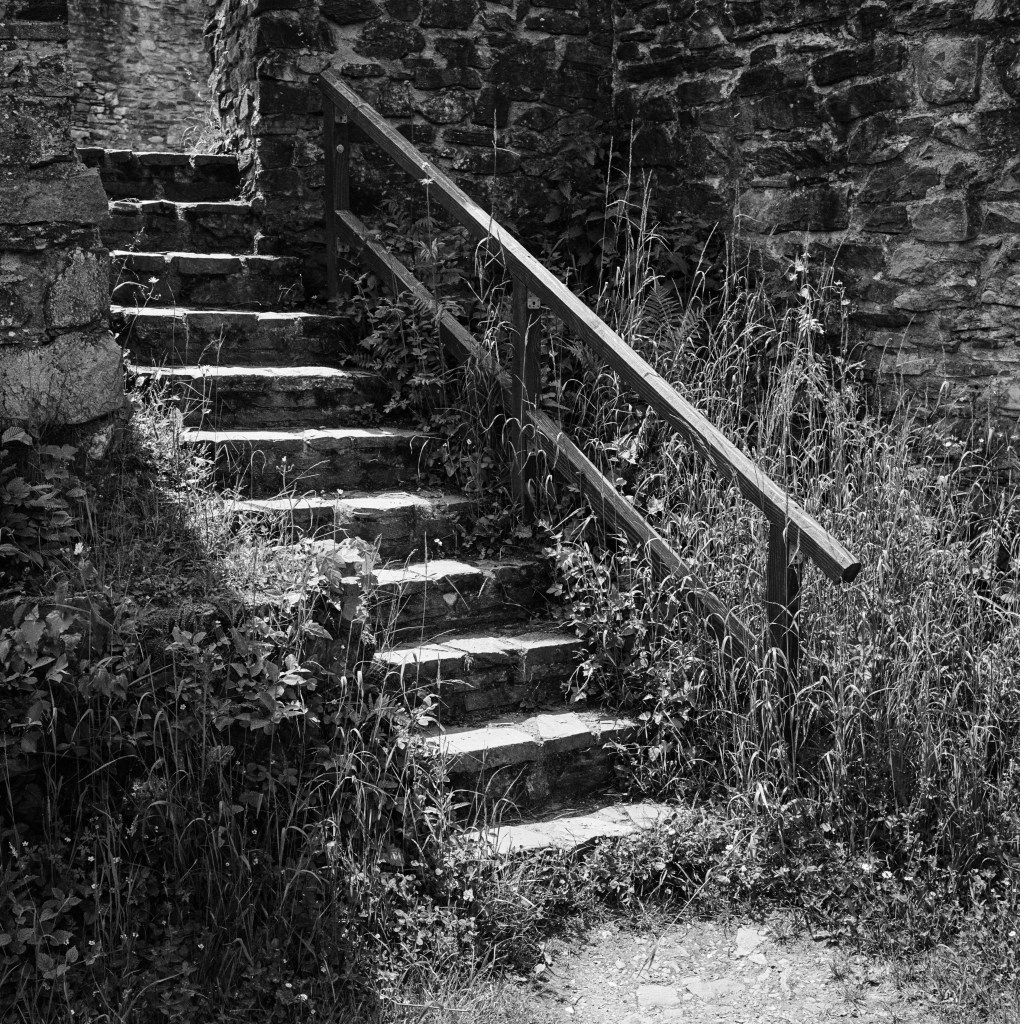
Stairway to Grimburg Castle (Mamiya Six Automat I, Kodak Tri-X 400, 1/250 sec and f/16)
See also my flickr photo gallery: https://www.flickr.com/photos/165607631@N07/
 Old Glass